


Table of Contents
- 1. Singapore Connects Tokenized Deposits to Domestic and Cross Border Settlement
- 2. Korea Weighs Stablecoin Savings Against Monetary Risk
- 3. Japan Builds a Full Stack Onchain Finance Model
- 4. Other News
- 4.1 Tokenized Assets and Regulatory Sandboxes
- 4.2 Stablecoin Payments and Corporate Settlement
- 4.3 Regulation, Taxation, and Legal Definitions


Singapore’s tokenized deposit settlements lead this week’s ASA News, alongside Korea’s debate over stablecoin payment economics and Japan’s vertically integrated onchain finance model.
1. Singapore Connects Tokenized Deposits to Domestic and Cross Border Settlement

Source: Singapore’s Top Three Banks Conduct First Live Settlement Using Tokenized Deposits
Key Update
- DBS, OCBC, and UOB completed Singapore’s first live interbank settlement using tokenized deposits and SWIFT’s digital ledger.
- DBS and Citi completed a weekend cross border dollar transfer within minutes, compared with the previous processing time of up to two business days.
- Tokenized deposits keep customer liabilities and regulatory responsibilities inside the issuing banks while extending settlement hours and speed.
- According to Money20/20 and FXC Intelligence’s The New Era of Asia’s Cross Border Payments, Asia Pacific outbound cross border payment volume is projected to grow from $13.5 trillion in 2025 to $24 trillion in 2033, increasing pressure on existing payment networks.
Commentary: Banks Upgrade the Payment Rail
Singapore is improving bank deposits as a settlement instrument while preserving the existing banking structure. Its focus on multi bank interoperability distinguishes it from issuer led stablecoin models in Hong Kong and vertically integrated private sector models in Japan.
The next test is commercial adoption in corporate payments, trade finance, and collateral transfers. Regular movement of working capital on these rails would turn tokenized deposits into operating infrastructure.
2. Korea Weighs Stablecoin Savings Against Monetary Risk
Source: Won Stablecoins Could Save Merchants Billions as the Central Bank Warns of a Weaker Bank Role
Key Update
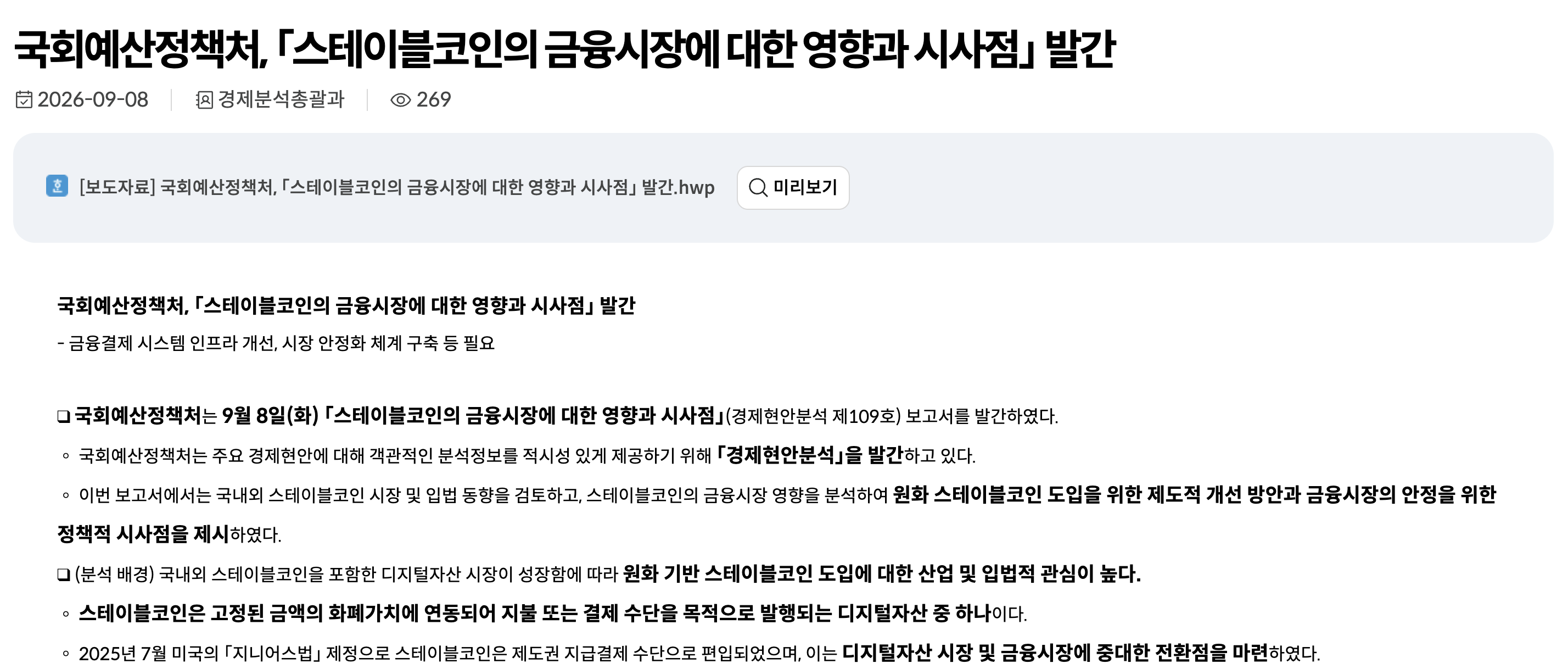
- Korea’s National Assembly Budget Office estimated that won stablecoins could save merchants between KRW 370 billion and KRW 515 billion each year.
- A separate estimate suggested annual fee savings could reach KRW 5 trillion if stablecoins replace 30% of card payments.
- Kakao Pay tested a wallet supporting digital asset storage, transfers, payments, and settlement across its user base of 43 million.
- Legislative discussions may begin in November, while the Bank of Korea has warned that stablecoins could weaken bank intermediation and monetary policy transmission.
Commentary: Payment Benefits Meet Monetary Policy
Korea’s debate now links merchant savings and consumer wallets directly to the role of banks. Kakao Pay’s pilot shows that a large distribution channel could support won stablecoins soon after issuance rules are established.
Policy makers must decide how payment benefits and monetary risks are allocated across wallets, banks, and issuers. Further legislative delays would widen the gap between corporate pilots and the regulatory framework.
3. Japan Builds a Full Stack Onchain Finance Model
Source: SBI Group Executives Describe Their Vision for Putting Every Asset Onchain
Key Update
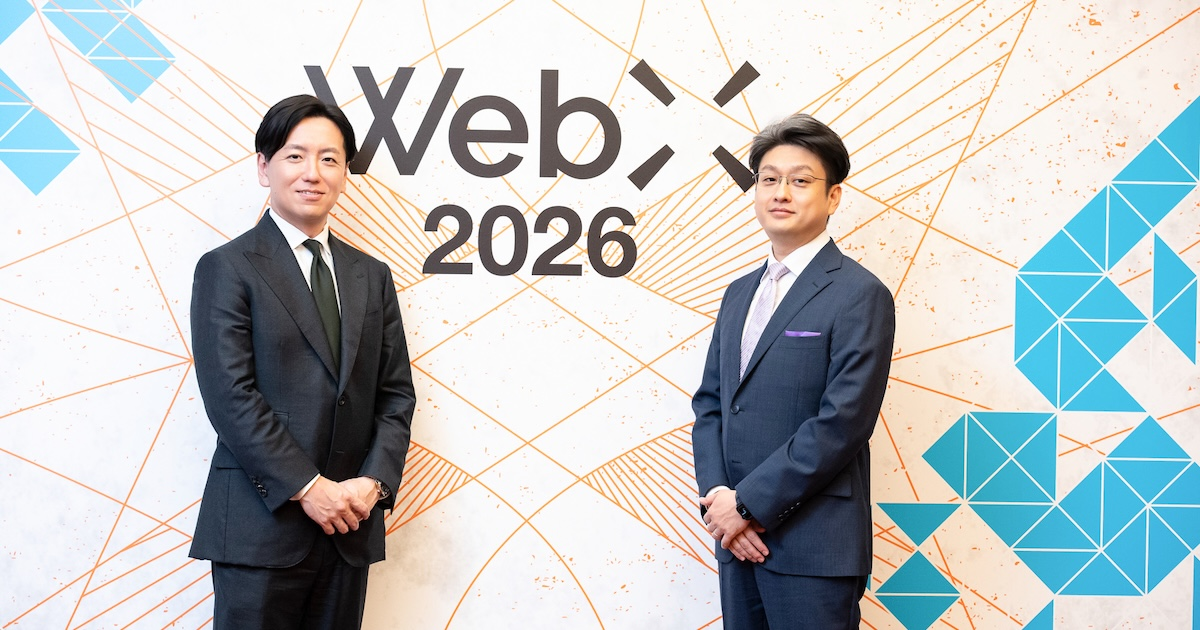
- SBI Group presented a vision for offering banking, securities, and asset management services onchain around the clock.
- The group has expanded its exchange network through bitbank, Coinhako, BITPoint, and transferred DMM Bitcoin customers.
- SBI VC Trade distributes USDC and RLUSD, while JPYSC has added JPY 1 billion in Japanese Treasury bills to its reserves.
- The reserve allocation equals about 5% of JPYSC reserves and connects yen stablecoin growth directly to the government bond market.
Commentary: Integration Moves From Issuance to Usage
SBI is combining issuance, trading, custody, payments, and asset management within one financial group. This structure can accelerate product and compliance decisions while creating concentration and conflict management questions for supervisors.
Japan’s model shows that stablecoin competition extends beyond issuance approval. Reserve composition, distribution channels, and connections to payment and investment products will determine practical adoption.
4. Other News
This section summarizes other news from the period related to Asian stablecoins, tokenization, payments, and digital asset infrastructure.
4.1 Tokenized Assets and Regulatory Sandboxes
4.1.1 Indonesia Opens Regulatory Sandboxes for Gold, Real Estate, and Rupiah Stablecoins
- Indonesia’s OJK approved pilots covering tokenized gold, real estate, and rupiah stablecoins.
4.1.2 Shinhan Asset Management Proposes an MMF Style Won RWA
- The concept focuses on short term bonds and cash like assets as infrastructure for payments and collateral.
4.1.3 Shinhan Asset Management Builds Internal Controls Into Tokenized Products
- Investor eligibility and distribution limits would be embedded in product design from the start.
4.1.4 Alpha Ladder Launches Tokenized Equities for APAC Institutions
- The WealthX platform provides qualified investors access to tokenized equities through MetaComp and Payward.
4.2 Stablecoin Payments and Corporate Settlement
4.2.1 BitoGroup and O Bank Launch Taiwan’s First Enterprise Stablecoin Payment Pilot
- Bito.ONE combines enterprise stablecoin settlement with banking connectivity from O Bank.
4.2.2 OSL and Waka Bring Stablecoin Payments to African Trade Corridors
- OSL will provide institutional stablecoin infrastructure and dollar conversion for Waka’s payment network.
4.2.3 Circle Acquires Tazapay to Expand USDC Payments Beyond 100 Countries
- Circle plans to connect USDC with Tazapay’s banking, fintech, and local payment networks.
4.2.4 Gemini Secures Singapore License for Crypto and Cross Border Payments
- The Major Payment Institution license covers cross border transfers and digital payment token services.
4.3 Regulation, Taxation, and Legal Definitions
4.3.1 Thailand Proposes Limits on Third Party Stablecoin Transfers
- The proposal limits transfers to accounts and wallets held under the same name and sets daily provider limits of THB 5 million.
4.3.2 Hong Kong Lawmaker Proposes a Dedicated Digital Asset Unit
- The proposal includes a specialized SFC unit and a Web3 pink sheet system for fundraising.
4.3.3 Korea Considers a Gradual Introduction of Virtual Asset ETFs
- Current law does not recognize digital assets as underlying assets, so the proposal starts with simpler spot products.
4.3.4 Korean Court Defines Ethereum as an Information and Communications Network
- The ruling connected the legal character of Ethereum to criminal liability in a USDT theft case.
[ASA News] is a weekly newsletter that summarizes major stablecoin related news across Asia and shares views from industry participants. (2026.09.07~09.13)
The author of this report may have personal holdings or financial interests in assets or tokens discussed herein. However, the author affirms that no transactions have conducted using material non-public information obtained in the course of research or drafting. This report is intended solely for general information purposes and does not constitute legal, business, investment, or tax advice. It should not be used as a basis for making any investment decisions or as guidance for accounting, legal, or tax matters. Any references to specific assets or securities are made for informational purposes only and should not be construed as an offer, solicitation, or recommendation to invest. The opinions expressed herein are those of the author and may not reflect the views of any affiliated institutions, organizations, or individuals. The opinions and analyses expressed herein are subject to change without prior notice. In addition, beyond the individual disclosures included in each report, Four Pillars, may hold existing or prospective investments in some of the assets or protocols discussed herein. Furthermore, FP Validated, a division of Four Pillars, may already be operating as a node in certain networks or protocols discussed herein or may do so in the future. Please see below links in the footer for FP Validated's participating network disclosures and for broader disclosure details.


